For most B2B companies, particularly those in complex or regulated industries, a specialized niche PR agency is better than a generalist firm. Niche agencies provide deep industry knowledge, pre-existing media relationships, and a nuanced understanding of your target audience. This expertise leads to more strategic and effective campaigns that drive business outcomes.
What’s the Difference Between a Niche and a Generalist PR Agency?
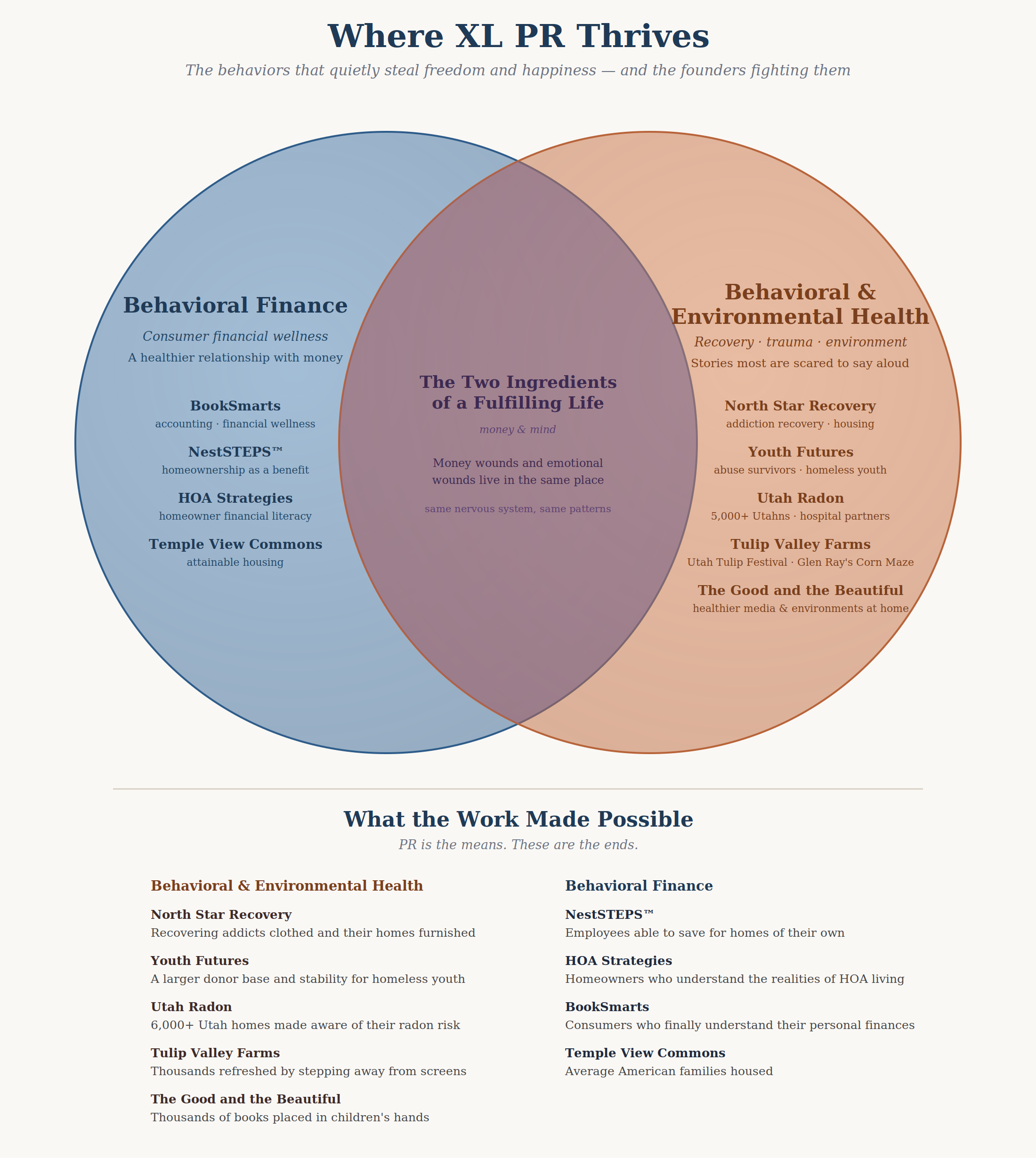
The primary difference is focus. A niche PR agency is a firm that concentrates on a specific industry, such as behavioral health, behavioral finance, environmental health, or executive leadership. A generalist PR firm works with clients across many different sectors, from consumer tech to hospitality to manufacturing.
This core difference in focus creates significant downstream effects on strategy, team expertise, and results. A niche agency lives and breathes your world, while a generalist learns it for the duration of your contract.
| Feature | Niche PR Agency | Generalist PR Firm |
|---|---|---|
| Industry Knowledge | Expert-level, deep understanding of trends and regulations. | Broad, but surface-level across many sectors. |
| Media Contacts | Established relationships with key journalists in one field. | Wide network of contacts, but less depth in any one area. |
| Strategy | Highly targeted, based on industry-specific challenges. | Based on general PR principles, adapted for the client. |
| Onboarding | Faster ramp-up due to existing familiarity with the subject. | Longer learning curve to understand client’s business. |
| Team Expertise | Specialists with backgrounds in your industry. | Generalists with broad communications skills. |
Why Are Niche PR Agencies Usually Better for B2B Companies?
A niche PR agency is usually better for B2B companies because it bypasses the learning curve, speaks your audience’s language, and has the right media contacts from day one. This specialization translates into deeper strategic insight, faster results, and a greater ability to build true authority in your field.
Deeper Strategic Insight
A team that specializes in your sector understands its unique challenges, competitive landscape, and customer psychology. For a behavioral finance firm, this means working with a PR partner who already grasps concepts like loss aversion and choice architecture. This shared language allows the agency to craft more compelling narratives and pitch more sophisticated story angles that resonate with an educated audience.
Established Media Relationships
Generalist firms may have a large database of contacts, but a niche firm has genuine relationships with the most important editors, journalists, and producers covering your industry. They know who is on what beat, what topics they are currently exploring, and how to frame a story for their specific outlet. This insider access significantly increases the likelihood of securing high-quality, relevant media placements.
Enhanced Credibility and Authority
The goal of B2B PR is often to establish a company or its leaders as the definitive experts in their field. A specialized team is better equipped for this because they can identify white space in the industry conversation and strategically position executives as thought leaders. They transform complex internal knowledge into influential commentary, bylines, and speaking opportunities that build lasting credibility.
Navigating Complex Regulations
For companies in fields like financial services or environmental and behavioral health, communications are often governed by strict regulations. A niche agency that works exclusively in these areas already understands the compliance landscape. They know what you can and cannot say, ensuring your messaging is both powerful and compliant, which protects your brand from significant risk.
When Could a Generalist PR Firm Be a Better Choice?
A generalist PR firm might be a better choice for B2B companies with a very broad audience or those in non-specialized industries, like general office software or logistics. In these cases, breadth can sometimes be more valuable than depth.
Focus on Mass-Market Awareness
If your primary goal is widespread, top-of-funnel brand recognition across multiple vertical markets, a generalist’s broad media network can be an asset. They may have contacts at a wider array of local news stations, general business publications, and consumer-facing outlets that a niche firm might not prioritize.
Budget Constraints
In some instances, generalist firms may offer more flexible or lower-cost pricing models, which can be appealing for early-stage startups with straightforward messaging and limited budgets. However, it’s crucial to weigh the lower cost against the potential for a slower start and less impactful results.
Local Focus for a Broad Product
For a B2B company selling a product applicable to almost any business, a strong local presence can be key. A local generalist firm may have the strongest relationships with regional business journals and media, which is ideal for a company focused on dominating its geographic market before expanding.
How Do You Choose the Right Specialized PR Agency?
To choose the right specialized agency, you must verify their industry expertise through their case studies, client roster, and direct conversations with the team that will manage your account. The key is to look for tangible proof that they understand the nuances of your specific world.
Follow these steps to vet a potential niche PR partner:
- Analyze Their Client Portfolio and Case Studies. Look for a track record of success with companies that are similar to yours in size, industry, and goals. Their past work is the best predictor of their future performance, so ask for specific examples of how they helped a client in behavioral health or executive leadership achieve a measurable business outcome.
- Ask About Their Media Relationships. Go beyond asking which journalists they know. Ask for recent examples of media placements in the trade publications and national outlets that matter most to your business. Inquire about the context of those placements to understand how well they know the reporters and the strategy behind the pitch.
- Interview the Day-to-Day Team. The agency’s founder or sales lead may have deep expertise, but it is the account team that will be executing your strategy. Ensure the people who will actually work on your account have the specialized knowledge needed to succeed.
- Test Their Industry Fluency. During the discovery and pitching process, ask them about a recent industry trend, a new regulation, or a competitive challenge. Their ability to discuss the topic with intelligence and confidence will immediately reveal their depth of understanding.
Frequently Asked Questions
Are niche PR agencies more expensive than generalist ones?
Not necessarily. While some specialists command a premium for their expertise, their efficiency and targeted approach can deliver a higher return on investment. They often prevent wasted budget on ineffective, broad outreach, making their services more cost-effective in the long run.
How long does it take to see results with a specialized B2B PR agency?
Because they have existing industry knowledge and contacts, the onboarding process is typically faster. You can often see initial traction, such as media interest, strategic plan delivery, and initial outreach, within the first 30 to 60 days of the engagement.
What if my business serves two different niches?
In this case, you should look for an agency that has proven expertise in your primary niche or one that specializes in B2B companies with complex, multi-audience messaging. Be upfront about your unique needs during the vetting process to find a partner who can handle that complexity.
Will a niche agency have fewer media contacts overall?
Yes, but this is a feature, not a bug. A niche agency has fewer, but significantly deeper and more relevant, contacts within your industry. For specialized B2B companies, the quality and relevance of media placements almost always outweigh the sheer quantity.
Can a small B2B company in Utah benefit from a niche agency?
Absolutely. A niche agency that understands your industry can provide a significant competitive advantage, regardless of your location. If they also have familiarity with the Utah market, such as the Silicon Slopes tech scene, they can connect you with both local and national industry-specific media.
Ultimately, the choice between a niche and a generalist PR firm comes down to your company’s specific goals, industry, and audience. For B2B organizations in specialized sectors like behavioral finance and environmental health, the depth, precision, and strategic insight of a niche partner are invaluable. Investing in a team that already speaks your language is the most direct path to building authority and achieving meaningful business results.